








Elektrokonstrukteure stehen oft vor der Wahl zwischen einem Standard- Drehschalter sowie einen schlüsselbetätigten Wahlschalter bei der Anordnung von Steuerklappen. Beide Komponenten rasten zwar die Kontaktblöcke auf der Rückwand zwischen Positionen wie „Aus“, „Betrieb“ oder „Auto“ ein, unterscheiden sich jedoch erheblich in der Art und Weise, wie sie den Zugang zur Schalttafel ermöglichen.
Bei der Auswahl des richtigen Stellantriebs kommt es darauf an, wer das Bedienfeld bedienen muss und was passiert, wenn jemand versehentlich einen Schalter betätigt. Durch die Abwägung zwischen schnellem physischem Zugriff und strengen Sicherheitsvorkehrungen vor Ort wird ein reibungsloser Maschinenbetrieb gewährleistet, ohne die Sicherheit der Mitarbeiter zu gefährden.
Wesentliche mechanische und betriebliche Unterschiede
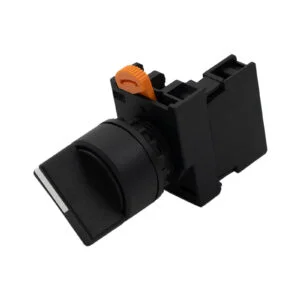
Einfache Drehschalter verfügen über einen offenen Griff oder Knopf, den jeder, der am Schaltschrank vorbeigeht, drehen kann. Sie rasten dank solider mechanischer Anschläge ein und eignen sich daher hervorragend für alltägliche Maschinenabläufe, bei denen Bediener während einer Schicht schnell zwischen verschiedenen Betriebsmodi wechseln müssen.
Schlüsselwahlschalter ersetzen den frei drehbaren Drehknopf durch einen mechanischen Schließzylinder. Der Betätiger lässt sich erst drehen, wenn zuvor der passende Schlüssel eingesteckt wurde. Darüber hinaus können Sie diese Köpfe mit spezifischen Regeln für das Herausziehen des Schlüssels bestellen. So können Sie beispielsweise ein Bedienfeld so einrichten, dass der Schlüssel nur im Modus „Auto“ herauskommt, wodurch die Maschine im Produktionsmodus verriegelt wird und nicht zuständige Mitarbeiter daran gehindert werden, außerhalb der Arbeitszeiten an den Bedienelementen herumzuspielen.
Technischer Vergleich und wichtigste Merkmale
- Zugriffskontrolle: Mit Standardknöpfen kann jeder zwischen den Modi umschalten, während verschlüsselte Köpfe die Bedienung streng auf die dafür vorgesehenen Schlüsselinhaber beschränken.
- Manipulationsschutz: Verriegelungszylinder verhindern, dass versehentliche Stöße den Betriebszustand der Maschine verändern oder unbefugtes Personal Einstellungen außer Kraft setzt.
- Anti-Torque-Chassis-Lasche: Ausgestattet mit einer verzahnten Befestigungslasche, die in Aussparungen der Blende einrastet und so verhindert, dass sich das Gehäuse bei kräftigem Drehen der Schlüssel verdreht.
- Schutzklasse IP65: Ausgestattet mit innenliegenden Gummilippendichtungen, die verhindern, dass Werkstattstaub, Wassernebel und Schneidflüssigkeiten in den Schlüssellochmechanismus gelangen.
Praktische Anwendungsszenarien in Anlagen, die einen schlüsselgesteuerten Zugang erfordern
An Hochgeschwindigkeits-Verpackungslinien, Stanzpressen oder automatisierten Roboterzellen bedeutet das Beseitigen eines Produktstaus, dass die Antriebslogik von „Auto“ auf eine langsame „Manuell“- oder „Einricht“-Geschwindigkeit umgeschaltet wird. Mit einem Schlüsselschalter schaltet der Techniker den Betriebsmodus um, zieht den Schlüssel heraus und nimmt ihn mit in den Sicherheitskäfig. Das Mitnehmen des physischen Schlüssels stellt sicher, dass niemand die Maschine wieder in den automatischen Betriebsmodus schalten kann, während jemand im Inneren arbeitet.
Schaltkästen befinden sich zudem nicht immer in sauberen, verschlossenen Schaltraum. In Wasseraufbereitungsanlagen, Chemikalienzugabeanlagen, gewerblichen Dachklimaanlagen und Ladestationen im Außenbereich befinden sich die Bedienfelder direkt im Freien. Durch den Einbau eines Schlüsselwahlschalters wird verhindert, dass Passanten, nicht befugtes Personal oder Außendienstmitarbeiter unbefugt an Chemikalienpumpen hantieren, Lüfterzeitpläne ändern oder Systemfehler beheben.
Hochspannungsanlagen wie Batterie-Energiespeicher (BESS), Schaltanlagen und Hauptschaltertafeln bergen beim Schalten der Leitungen erhebliche Lichtbogenrisiken. Der Einsatz von Schlüsselwahlschaltern erzwingt die Einhaltung strenger physischer Sicherheitsvorschriften und stellt sicher, dass nur qualifizierte Hochspannungselektriker, die im Besitz des richtigen Schlüssels sind, die Hauptstromzuführungen schalten dürfen.
Montage der Frontplatte und Verdrahtung der Kontakte auf der Rückseite
Bei der Planung der Anordnung der Schlüsselschalter muss frühzeitig festgelegt werden, an welchen Positionen der Schlüssel herausfallen soll. Diese Schalterköpfe lassen sich direkt in handelsübliche Aussparungen in Industrietüren einsetzen und werden mit schweren Gewinderingen oder Sicherungsringen festgeklemmt.
Durch den modularen Aufbau ist der Schlüsselzylinder der Vordertür von den Kontaktblöcken auf der Rückseite (z. B. 1NO- oder 1NC-Blöcke) getrennt. Diese Konstruktion sorgt für eine übersichtliche Verkabelung hinter der Tür und ermöglicht es Technikern, verschlissene elektrische Kontakte später auszutauschen, ohne den Hauptschlosszylinder von der Vorderseite abnehmen zu müssen.