








JULY 2026 — Demand for industrial control panels continues its upward trajectory. Recent market analysis projects the global industrial control panel sector to maintain a solid compound annual growth rate (CAGR) of over 6% through 2030. But for machinery builders shipping equipment overseas, the big story isn’t just market size—it’s how strict safety audits are forcing a massive cleanup of door-mounted push button switches.
As factories automate more lines, control cabinets have turned into complex nerve centers housing PLCs, variable frequency drives, and intricate safety relays. Yet, despite all the high-tech electronics inside the cabinet, the most frequent point of mechanical failure—and the first thing a field auditor touches—remains the operator panel switches on the outside door.
Customs Audits Are Getting Tougher on Basic Hardware
Exporting machinery to Europe, North America, or Latin America used to be simpler. Machine builders could often get away with using generic, uncertified door hardware as long as the main internal breakers met local codes. That era is over.
Today, updated IEC 60204-1 machinery safety checks and stricter site inspections mean field inspectors look at everything down to the smallest panel button. Sourcing agents see it on the front lines every week: buyers reject entire machine shipments if a simple operator button lacks proper UL or CE paperwork.
If a switch contact pits, oxidizes, or welds shut under heavy electrical load, the operator loses control of that specific manual override. Overseas safety inspectors treat these failures as critical hazards. A single $5 uncertified switch can easily hold up a multi-million-dollar machine at customs or ruin a site acceptance test, leaving equipment builders scrambling to overnight replacement parts across oceans.

Why Overseas Operating Environments Destroy Cheap Switches
When a machine leaves a domestic factory floor, it enters a supply chain full of environmental stress that cheap push buttons simply cannot handle.
First comes ocean transit. Freight containers spent weeks at sea endure constant micro-vibrations, high humidity, and salty ocean air. Unsealed contact blocks start oxidizing before the container even hits the destination port. Once installed on-site, equipment in regions like Southeast Asia, the Middle East, or tropical South America operates under extreme ambient heat and airborne dust.
If the operator panel uses basic rubber boots or low-grade plastic bezels, ambient UV light and chemical washdowns quickly turn those seals brittle. Cracks form, moisture seeps behind the panel door, and short circuits follow. That is why export-focused OEMs are moving away from light-duty commercial switches and insisting on industrial-grade push buttons built for punishment.
What Machinery Exporters Are Changing in 2026
To avoid endless warranty claims and customs rejections after export, machine builders are shifting their hardware specifications in four major ways:
1. Tougher Weather and Washdown Seals
Machines headed into food processing, outdoor water treatment, or mining face daily high-pressure washdowns and chemical spray-downs. Exporters now demand heavy-duty push buttons featuring UV-stabilized silicone seals and rugged outer bezels rated to IP65 or IP67 ingress protection. These designs prevent high-pressure jets from forcing water past the mounting cutout into the electrical enclosure.
2. Vibration-Proof Wiring for Long Transit
Shipping a heavy machine halfway across the world involves thousands of miles of road and ocean vibration. Traditional screw-clamp terminals often back out or work themselves loose before the machine reaches the customer’s dock. Push-in spring terminals and double-locking collar mechanisms are replacing old screw-type contacts to keep wiring tight from factory to floor, eliminating manual terminal re-tightening during installation.
3. Hardier Contacts for High-Cycle Lines
Automated packaging lines and stamping presses press control switches thousands of times every single week. Modern switch blocks use heavy silver-alloy contacts and reinforced internal springs so the mechanism won’t stick, pit, or weld after a few months of continuous shifting. Good contacts maintain low electrical resistance even when switching small signal currents to PLC input modules.
4. Global Ergonomic Standards and Clear Visuals
International buyers want control panels that any operator can read and use without language barriers. Export-grade push buttons now feature flush, extended, or mushroom profiles with clear, non-fading color caps that conform to international ISO and IEC color coding standards (Red for stop/off, Green for start/on, Yellow for attention).
The Hidden Cost of Cheap Panel Hardware
For an original equipment manufacturer (OEM), saving a few dollars on switch gear seems like an easy way to cut cabinet manufacturing costs. But field service math tells a very different story.
Sending a service technician overseas to fix a sticky switch or replace a failed contact block costs thousands of dollars in flights, hotels, and daily labor rates—not to mention the cost of factory downtime claimed by the buyer. By specifying pre-certified, rugged push button switches upfront, export panel builders build a buffer of reliability that protects their brand reputation globally.
Meeting Compliance Without Blowing Costs
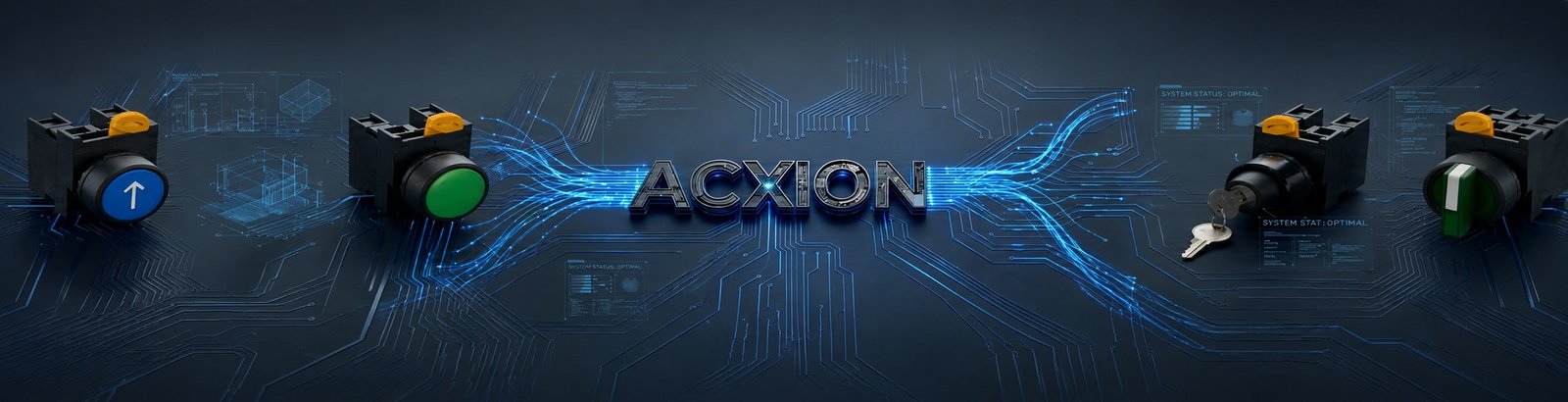
Industrial component suppliers are updating their lineups to match these export demands. Brands like ACXION now build IEC-compliant push button switches with heavy-duty sealing and solid contact blocks right out of the box. For panel builders, using pre-certified, tough hardware means fewer headaches with international customs, smoother site audits, and fewer emergency field calls from overseas buyers.