


Switchgear Status Indication: Choosing the Right Panel Type
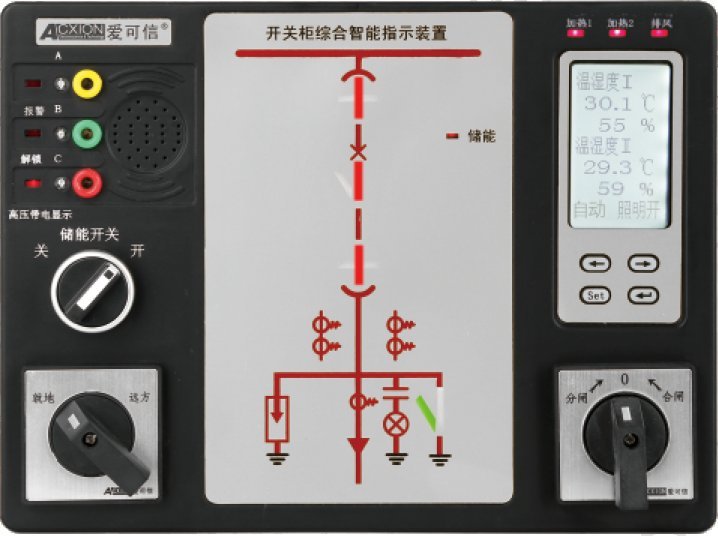
What a switchgear status indication panel reports, how the ACX6100 variants A to F add functions, and the mimic drawing and wiring rules that decide success.

Technical documentation, component design reviews, and industrial supply chain analysis for modern automated manufacturing. This section covers engineering standards, contact material validation, and procurement best practices for low-voltage switchgear and control components.
What a switchgear status indication panel reports, how the ACX6100 variants A to F add functions, and the mimic drawing and wiring rules that decide success.

Why switchgear cabinets condense, how to work out the dew point, how to size a heater, and sizing an AWS temperature and humidity controller to stop it.

K, Q and L platforms compared, protection functions matched to each bay type, and the CT, panel depth and anti-pumping details that must be on the order.
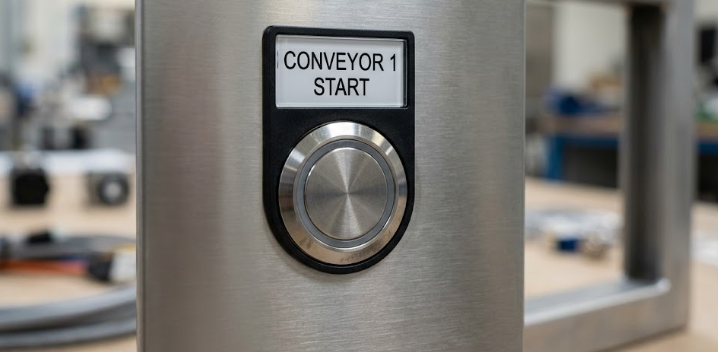
Panel marking done properly: sizing a nameplate frame, choosing label materials, and meeting machine identification requirements on control panels.
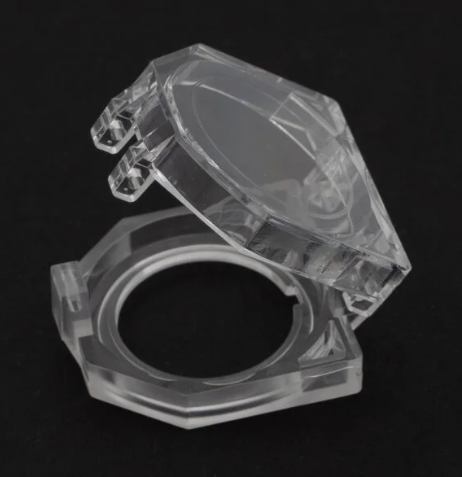
How to spec push button protective covers and emergency stop guards: sizing, materials, IP ratings, and the mistakes that cause nuisance stops.
How to read a cam switch switching table, map contact sequences to terminal numbers, and specify a custom cam program without a single field error.

Every panel builder knows the moment. You walk past a cabinet you commissioned two years ago and half the status lights on the door are dark. The machine runs fine. The PLC logic is untouched. But the little green and…
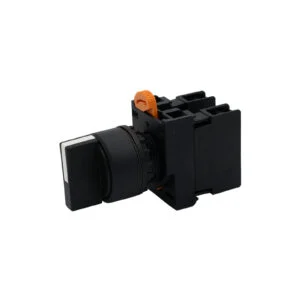
Industrial control cabinets sitting out on active factory floors deal with vastly different physical working conditions. A selector switch head mounted on an outdoor battery energy storage container has to survive UV degradation, seasonal freezing cycles, and fine windblown sand.…

When wiring up pushbuttons, selector handles, or emergency operators on control doors, electrical installers rely on small snap-on contact blocks behind the front face to handle actual line switching. Among these components, the Normally Open (1NO) module and Normally Closed…
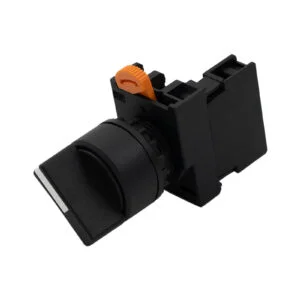
Electrical designers often find themselves picking between a standard rotary switch and a key-operated selector when laying out control doors. While both components snap back-panel contact blocks between positions like Off, Run, or Auto, they handle panel access very differently.…